Draws, explained Updated 22 Oct 2026
How Do Lottery Draws Work: A Comprehensive Guide
A lottery draw is a supervised procedure: certified machines and checked ball sets produce the winning numbers, and an independent auditor confirms each one. Every step is logged so the result can be checked later.
The whole process exists to make every number equally likely. That is also why nothing you do when choosing numbers changes your odds: the draw does not favour any ball, and it does not remember earlier results.
- Balls are weighed and measured before draws
- Machines are test-run under supervision
- An auditor signs off each result
- Every number has the same chance in every draw
A draw, step by step
How Lottery Draws Work: The Essential Components
A lottery draw relies on meticulously designed equipment and procedures to guarantee that every number has an equal opportunity of being chosen. The core components include the drawing machine, the lottery balls, and the rigorous certification processes that uphold the integrity of both. Each element adheres to strict technical standards, with every attribute, be it weight, material, rotation speed, pressure, or mixing method, thoroughly documented and verified before public use. For Pakistani players interested in the fairness of outcomes, understanding these aspects is key.
Types of Drawing Machines Used Globally and in Pakistan
The type of drawing machine dictates how the balls are mixed and selected during the draw. Two primary systems are commonly employed in regulated lotteries worldwide:
- Gravity Pick Machines. These machines use angled, rotating paddles to mix solid rubber balls within a transparent drum. The paddles operate at controlled speeds, ensuring the balls remain in constant motion. When the selection phase begins, a trap door opens, and the first ball to fall through is designated the winning number. These machines are widely used due to their mechanical mixing method, which is easily verifiable.
- Air-Mix Machines. Air-mix machines employ pressurized air jets to suspend and mix hollow, lightweight balls within a sealed chamber. During the selection process, the system reduces airflow around a specific exit tube, allowing a single ball to move into the output slot. Air-mix models are often preferred for high-frequency draws because the airflow system provides consistent mixing with minimal mechanical wear, a crucial factor for maintaining fairness.
Understanding Lottery Balls Used in Draws
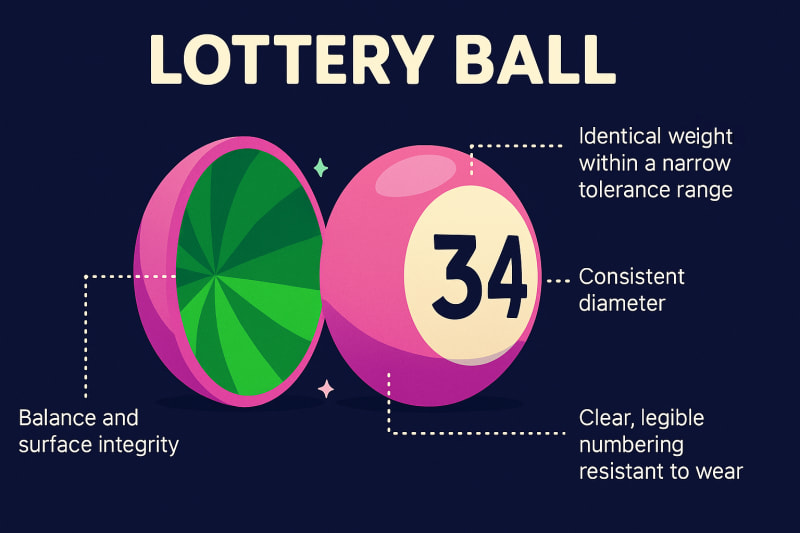
Lottery balls must adhere to strict specifications ensuring uniform weight, shape, and surface texture. These precise attributes prevent any single ball from having a preferential chance of selection. Materials differ based on machine type: solid rubber balls are used in gravity pick machines, while lightweight hollow balls are preferred for air-mix systems. Every set of balls is continuously monitored for:
- Uniform weight within a narrow tolerance margin
- Consistent diameter across all balls
- Perfect balance and surface integrity
- Clear, easily readable numbers that resist wear
Ball sets are regularly rotated and replaced to guard against degradation that could compromise fairness for players in Pakistan and elsewhere.
Ensuring Fairness: Equipment Certification for Draws
Equipment certification is a vital step that confirms drawing machines and ball sets meet all technical and regulatory standards before they are used in any public draw. This certification process includes:
- Testing by independent, accredited laboratories
- Thorough inspection of all mechanical components
- Verification of ball weight, balance, and durability
- Evaluation of the machine's mixing consistency
- Comprehensive documentation of all measurements and test outcomes
Certified equipment must undergo periodic re-testing to ensure it consistently operates within the required parameters. Draw administrators meticulously maintain detailed logs of testing dates, component replacements, and calibration records. This documentation serves as proof that the system functions reliably and complies with all relevant regulatory requirements, assuring Pakistani players of a fair game.
Pre-Draw Checks: Calibration and Scrutiny for Pakistani Lotteries
Pre-draw procedures are essential to ensure that the drawing machine and ball sets are in optimal condition before the selection process begins. Every step is meticulously documented, supervised, and executed in strict adherence to the standards set by regulators and certification bodies. These rigorous procedures confirm that all components operate within approved tolerances and that no equipment deficiencies or irregularities can influence the outcome. The ultimate objective is to eliminate all potential variables, ensuring that the draw result is entirely fair, unbiased, and fully verifiable for all participants.
Testing and Weighing
Testing and weighing verify that every ball in the approved set meets the required specifications. Technicians measure and weigh each ball individually using calibrated instruments. Each ball must match the official reference weight and diameter within a narrow tolerance. Any ball that falls outside this range is removed from the set and replaced with an approved spare. Technicians inspect the surface of each ball for scratches, deformation, ink wear, or changes in coating that could alter its balance. These checks ensure that all balls behave identically during the mixing phase.
Machine Testing
Machine testing confirms that the draw machine performs as expected under supervised conditions. Technicians run a series of test cycles before the official draw. These cycles can include dry runs without balls, full test draws with balls, and calibration checks for paddles, drums, air injectors, or trapdoors depending on the machine type. Technicians measure factors such as rotation speed, airflow pressure, vibration levels, and mixing consistency. If any value falls outside the approved range, the machine is recalibrated or replaced. Each test run is documented in a log that records the exact time, personnel involved, and measurements observed.
Auditor Presence
Auditor presence ensures independent oversight of every stage of the pre-draw process. Certified auditors verify the identity of the ball sets, check the machine calibration logs, and confirm that the equipment used matches the approved inventory. Auditors observe the weighing process, monitor each test draw, and sign off on all measurements. They ensure that no unauthorized equipment is introduced and that no component is altered or replaced without documentation. Their approvals are recorded in official reports that become part of the draw’s permanent record..
Live Draw Execution: The Moment of Selection
The live draw execution is the part of the process where the verified machine and approved ball set produce the official winning numbers. Every action follows a documented sequence, ensuring that the results are transparent, traceable, and valid under regulatory rules. The steps below outline the complete process in a clear and scannable format.
Formal Start and Introductions
The formal start and introductions confirm the identity of the draw and establish transparency before mixing begins. The host:
- States the draw name, date, and time.
- Introduces the certified auditor, draw officials, and technicians.
- Confirms that all pre-draw checks, equipment tests, and ball inspections have been completed.
- Identifies the specific machine and ball set selected for the draw.
This sequence ensures viewers know that the draw follows approved procedures from the beginning.
Ball Loading
Ball loading prepares the machine for active mixing. Technicians place the verified ball set into the drum or air chamber while the auditor observes each step. The chamber door is closed and secured with locking mechanisms approved by the regulator. In some jurisdictions, the auditor places a tamper-evident seal on the door to confirm that it remains closed until after the draw. This process ensures that only the approved ball set is used.
Mixing Phase
The mixing phase creates the random conditions needed for fair selection. Technicians activate the machine, and the paddles or air jets begin to mix the balls. Regulations often specify a minimum mixing duration to ensure that all balls remain in motion before selection begins. Mixing continues until the auditor confirms that the machine has reached the required operating parameters. This phase ensures that every ball has an equal opportunity to enter the selection area.
Number Selection
Number selection occurs when the machine transitions from mixing to drawing. In a gravity pick machine, the trapdoor opens and the first ball that drops into the output slot is captured. In an air-mix machine, airflow pressure adjusts to guide one ball into the exit tube. The machine repeats the selection process until all required numbers are drawn. The host reads each number aloud as it appears, and the control panel displays the results simultaneously. This ensures that the selection is visible to the audience and the audit team.
Confirmation
Confirmation verifies that every selected number is accurate and properly recorded. The auditor performs these checks:
- Confirms that the ball in the output slot matches the number displayed on-screen.
- Verifies each number in the sequence until the full combination is complete.
- Checks secondary numbers (bonus balls) if the game format requires them.
- Compares results with the automated logging system.
- Signs the official draw sheet to validate the outcome.
Once the auditor approves the results, the draw is considered complete and ready for post-draw processing.
Post-Draw Verification and Legal Archiving

Post-draw verification and legal archiving ensure that the winning numbers, draw equipment, recordings, and supporting documents are accurately and securely preserved. These steps confirm that the draw followed all required procedures and that the results remain traceable for as long as regulations demand. The verification and archiving process ensures the integrity of the outcome, allowing regulators, auditors, and players to review the draw if necessary.
Securing the Results
Securing the lottery results ensures that all equipment and materials used in the draw are protected from tampering after the event. This stage includes:
- Recording the official sequence of winning numbers.
- Sealing the ball set used for the draw in a tamper-evident container.
- Storing the drawing machine in a restricted area or applying regulator-approved locks.
- Documenting the exact time the equipment is secured.
- Archiving operator and auditor signatures on the verification forms.
These actions preserve the integrity of the equipment and confirm that the draw cannot be altered afterward.
Public Record
Public record requirements ensure that the draw results are accessible and transparent. Typical steps include:
- Publishing the winning numbers on the official lottery website.
- Uploading the full draw recording for public viewing when required.
- Storing digital logs, verification sheets, and audit forms in a secure archive.
- Retaining video and data files for the period required by local law.
This creates a permanent, traceable record of the draw that regulators or the public can review.
Conclusion
A secure lottery draw depends on documented procedures, verified equipment, and independent oversight at every stage. Each part of the process, from pre-draw calibration to final archiving, helps ensure that the results are accurate, traceable, and compliant with regulatory standards. When all steps are followed correctly, players can rely on the fairness of the outcome and the integrity of the system behind it.
If you want to learn more about how lotteries operate, explore the full collection of lottery guides on LottoRanker. Each guide provides clear, factual explanations that help you understand the systems, regulations, and tools involved in the lottery.
What a fair draw means for your ticket
No favoured numbers
Weighing, calibration and audits are there to remove any bias. A hot or cold list cannot find one.
No memory
Each draw starts from a full, checked set. Past results have no effect on the next draw.
Equal lines
Every combination has the same chance. Only holding more lines, or playing a game with fewer combinations, changes your odds.
Results you can check
Official results are published after each draw. Check your tickets against them, not against a summary.
Lottery draws: questions
What is a lottery draw?
A supervised procedure in which certified equipment selects the winning numbers. Each stage, from equipment checks to the final result, is documented so it can be verified.
What machines are used in lottery draws?
Two main types: gravity machines, which mix solid balls with rotating paddles in a drum, and air-mix machines, which keep lighter balls moving with air jets. Both are tested and certified before use.
How do lotteries make sure the balls are fair?
Ball sets are weighed and measured, inspected for wear and replaced on a schedule. Machines are test-run before the draw, and an independent auditor watches the checks and signs off the results.
Can a lottery draw be predicted?
No. The checks exist so that every number has the same chance, and each draw is independent of the last. Our lottery predictor guide explains why prediction apps cannot work.
Are online lottery draws different?
Tickets bought on a lottery site are for the same official draws, or mirror their results, so the draw procedure and the odds are the same.
Where can I check the winning numbers?
On the lottery's official site and on our results pages. Recordings and logs are kept for the period local rules require.
Set the spend before you pick the numbers.
Most lottery lines win nothing. Decide a monthly amount you can lose, and use the deposit limits on the site you play at.